Everything you need to know about compression wear
Compression Wear for Martial Arts: A Complete Guide
Compression wear has become standard kit for martial artists across almost every discipline. Whether you’re rolling in BJJ, sparring in Muay Thai, or training in a gi for Karate or Taekwondo, compression tops and shorts serve a practical purpose beyond just looking the part. This guide covers what compression wear actually does, what to look for, and how to get the most out of it.
What is compression wear?
Compression wear fits tightly against the body — closer than regular activewear, almost like a second skin. That snug fit isn’t just about comfort. It applies mild surface pressure to the skin and the muscles beneath, which affects how blood moves through the body during exercise.
The 85% polyester and 15% spandex fabric used in Pacific Sports compression wear delivers mild to moderate compression. Spandex (also sold under the brand name Lycra — they’re the same fibre) gives the fabric its stretch and shape retention. The 4-way stretch means it moves with you rather than pulling or bunching.
Compression levels explained
Compression wear is measured in millimetres of mercury (mmHg), the same unit used for blood pressure. There are four levels:
- Mild (8–15 mmHg) — suitable for general training and everyday sport
- Moderate (15–20 mmHg) — suitable for more intensive training and recovery
- Firm (20–30 mmHg) — medical prescription required
- Extra firm (30–40 mmHg) — medical prescription required
Most sports compression wear, including Pacific Sports, sits in the mild to moderate range. This is freely available and appropriate for healthy athletes. One thing worth knowing: compression wear is not designed to be worn while sleeping. Take it off after training.
Does compression wear actually improve performance?
This is worth being honest about. The research is mixed. Some studies suggest compression wear can improve performance; others find no significant effect. There’s no conclusive answer yet, and anyone telling you otherwise is oversimplifying the science.
What the research does support more clearly is the recovery side — compression wear appears to help reduce muscle soreness and swelling after training. For martial artists who train frequently, faster recovery between sessions matters more than a marginal performance gain during them.
That said, there are several practical benefits that most regular users notice, regardless of what the lab results say.
Practical benefits for martial artists
Muscle support and reduced fatigue
During training, muscles vibrate and oscillate with every movement and impact. Compression wear reduces that vibration, which helps delay fatigue and lowers the risk of muscle strains. If you’ve ever noticed your legs feeling less heavy after a long session when wearing compression shorts, this is likely why.
Improved blood circulation
The surface pressure from compression wear helps push blood back toward the heart more efficiently. More blood flow means more oxygen reaching working muscles, and faster removal of metabolic waste. This is the mechanism behind both the performance claims and the recovery benefits.
Skin protection
In grappling arts — BJJ, Judo, wrestling — your skin takes a lot of abuse from mat friction. Compression wear acts as a barrier against mat burns, abrasions, and scratches. It also reduces direct skin-to-skin contact with training partners, which matters for hygiene.
Infection prevention
This one doesn’t get talked about enough. Mats carry bacteria and fungi. Training partners sweat. Gis don’t always get washed as often as they should. Compression wear under your gi significantly reduces the amount of skin surface exposed to these risks. For grapplers especially, wearing a compression top and shorts under your gi is a simple hygiene habit worth developing.
Sweat management
The polyester-spandex fabric wicks moisture away from the skin, keeping you drier during training. This is particularly useful in hot and humid conditions, or during long sessions where sweat management affects your grip and comfort.
Freedom of movement
Good compression wear shouldn’t restrict you. The 4-way stretch fabric allows a full range of motion — high kicks, deep takedowns, ground transitions — without the fabric pulling or riding up. The longer cut on shorts and pants also prevents roll-up during movement.
Recovery between sessions
Wearing compression wear after training — not just during — can help reduce muscle soreness. The improved circulation continues working while you’re cooling down, which means less stiffness the next day. This is where the research is strongest.
Wearing compression wear under a gi
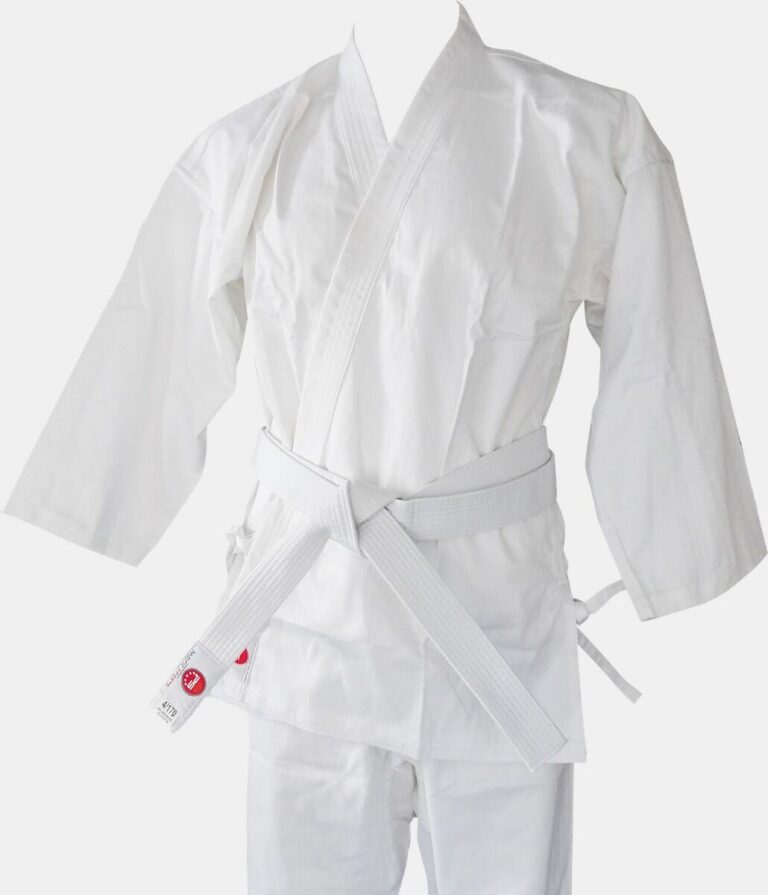
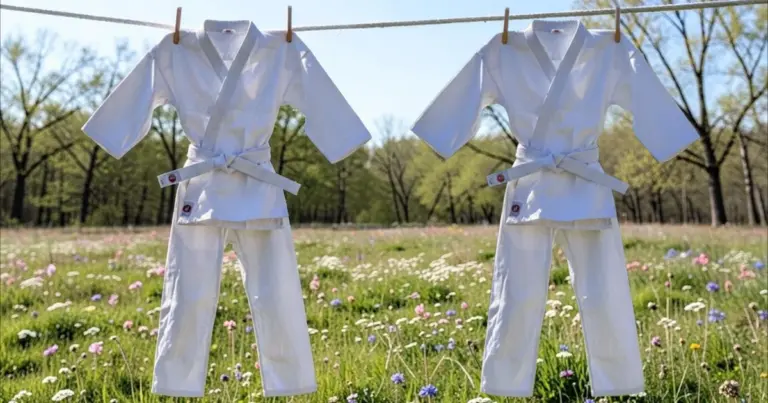
Compression wear is designed to be worn under a gi for Karate, Taekwondo, Judo, and BJJ. A few practical notes:
- Skin-tone compression wear blends in with your skin and is less visible under a white gi
- Black compression wear works well under a black gi
- Compression tops worn under gi jackets should fit smoothly without adding bulk at the shoulders or collar
- For women training in gi arts, compression tops and shorts provide an added layer of comfort and modesty
For no-gi training — MMA, wrestling, no-gi BJJ — compression wear can be worn as your primary training attire. Pacific Sports compression wear is not see-through even when stretched, which matters for no-gi training where you’re not covered by a gi.
What’s available
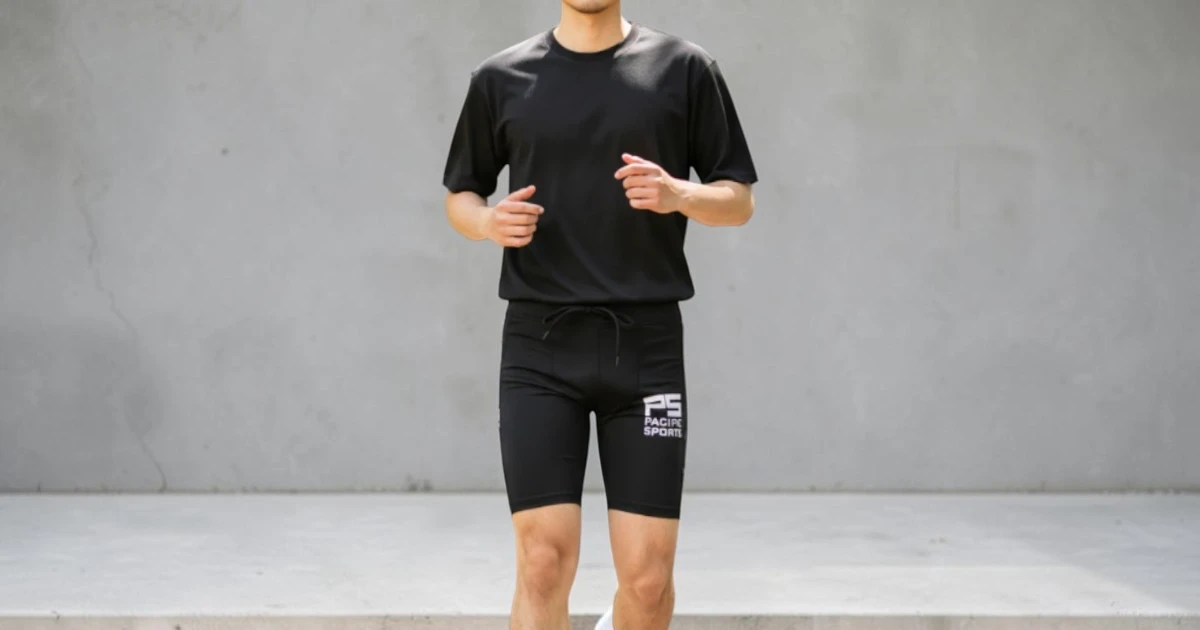
Pacific Sports compression wear comes in tops (tank and short sleeve), shorts, and pants, for both men and women. All are available in black and skin-tone colours, in sizes medium through to 2XL. See the size chart on the product page before ordering — compression wear should fit snugly but not cut off circulation or restrict breathing.
Care and maintenance
Wash compression wear after every session — the moisture and bacteria it’s been protecting you from need to come out before you wear it again. Machine wash in cold water with a small amount of mild detergent. Don’t tumble dry — lay it flat or hang it in the shade rather than in direct sun. Avoid fabric softener, which breaks down the elasticity of spandex over time. Ironing isn’t needed; the fabric is wrinkle-resistant and ready to wear straight from drying.
Compression wear vs rash guards
These are often confused because they look similar and serve overlapping purposes. The main differences are that rash guards typically have antimicrobial treatment and are designed specifically for skin protection in grappling, while compression wear prioritises the muscle support and blood flow benefits. You can wear both — a rash guard on top and compression shorts underneath is common in BJJ. For a full comparison, see our post on rash guards vs compression wear.
Specifications
- Fabric: 85% polyester, 15% spandex
- Compression level: Mild to moderate (8–20 mmHg)
- Styles: Tank top, short sleeve top, shorts, pants
- Available for: Men and women
- Colours: Black, skin-tone
- Sizes: M, L, XL, XXL
- Seams: Flatlock (reduces skin irritation)
- Stretch: 4-way
- Care: Machine wash cold, air dry flat, no fabric softener
Frequently Asked Questions
Can I wear compression wear under my gi?
Yes. Compression tops and shorts are designed to be worn under a gi for Karate, Taekwondo, BJJ, and Judo. Skin-tone compression wear is less visible under a white gi; black works well under a black gi. The fit should be smooth without adding bulk under the gi collar or shoulders.
Does compression wear actually improve performance?
The research is genuinely mixed — some studies show a benefit, others don’t. What’s better supported is the recovery benefit: compression wear appears to reduce muscle soreness after training. Most martial artists who use it regularly report feeling less fatigued between sessions, which is probably where the real value is.
What’s the difference between mild and moderate compression?
Mild compression (8–15 mmHg) suits general training and everyday sport. Moderate (15–20 mmHg) is suited to more intensive training and recovery. Both are freely available without a prescription. Pacific Sports compression wear sits in this mild-to-moderate range. Firm and extra firm compression (20 mmHg and above) require a medical prescription and are not sports products.
How often should I wash compression wear?
After every session. Compression wear is collecting sweat, bacteria, and mat residue throughout training — leaving it unwashed damages the fabric and defeats the hygiene purpose. Machine wash cold, lay flat to dry, and avoid fabric softener which breaks down the spandex over time.
Can compression wear prevent mat burns and infections?
It significantly reduces both. The fabric creates a barrier between your skin and the mat, which cuts down on abrasions and direct contact with bacteria or fungi on the mat surface. This is particularly relevant in grappling arts like BJJ and Judo where extended mat contact is unavoidable.
What size should I choose?
Check the size chart on the product page rather than going by your usual clothing size — compression wear sizing varies by brand. The fit should be snug and close to the skin without cutting into you or restricting your breathing. If you’re between sizes, size up for comfort, especially for longer training sessions.