Why martial artists wear rash guards
Why Martial Artists Wear Rash Guards | Pacific Sports: A Practical Guide
If you train in BJJ, MMA, Judo, or any grappling art, a rash guard isn’t optional equipment — it’s basic hygiene and protection. The name tells you exactly what it does: it guards against rashes. But that’s only the beginning of what it actually provides during training. Here’s what a rash guard does, why it matters, and how to get the most out of it.
The core purpose: keeping your skin intact
In grappling martial arts, your skin takes constant punishment. Mat friction causes burns. Gripping and rolling creates abrasions. Contact with a training partner’s sweat, unwashed gi, or equipment that hasn’t been cleaned properly introduces bacteria and fungi directly to your skin surface.
When skin breaks open — even a small mat burn or scrape — it becomes an entry point for infection. Skin infections in martial arts are more common than most beginners expect, and once you have one, you’re off the mat until it heals. A staph infection can take you out of training for weeks. A rash guard significantly reduces the risk by keeping a layer of fabric between your skin and everything it would otherwise contact directly.
Pacific Sports rash guards include antimicrobial technology that actively inhibits the growth of bacteria and fungi in the fabric itself — not just a physical barrier, but a treated one. This matters particularly for long training sessions where sweat accumulates and bacteria has more opportunity to transfer.
Mat burn specifically
Mat burn is one of those training realities that new students underestimate until they experience it. Repeated friction against a mat surface — during sprawls, guard passing, takedown defence — removes skin progressively. A long training session without protection can leave raw patches that sting for days and crack open every time you move.
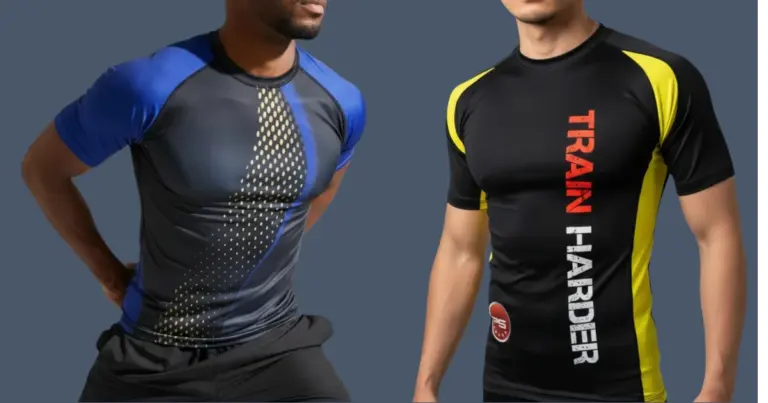
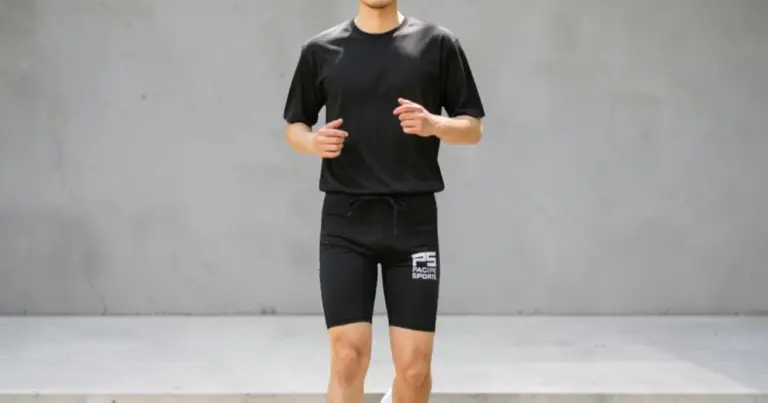
A rash guard eliminates mat burn on the areas it covers. Long sleeve rash guards protect the forearms and elbows, which take the most friction in groundwork. Short sleeve versions cover the torso and upper arms. For practitioners who spend significant time on the ground, the combination of a long sleeve rash guard with spats or Compression shorts covers almost all vulnerable skin.
Training focus
This benefit is less obvious but genuinely real. When you’re not thinking about mat burn, skin infections, or the discomfort of sweat-soaked skin, you can think about technique. The mental load of training is significant enough without adding physical distractions. A rash guard removes a category of distraction entirely — once it’s on, you stop thinking about it and focus on what you’re doing.
This is particularly relevant for newer practitioners who are already processing a lot of new information. Reducing physical discomfort during training helps them focus on the techniques they’re trying to learn.
Temperature regulation
The 80% polyester and 20% spandex fabric wicks moisture away from the skin efficiently. In hot and humid training conditions — which describes most Australian gyms in summer — this keeps you drier and more comfortable throughout a session. In cooler conditions, the fabric retains enough body heat to keep your muscles warm without overheating.
This two-way regulation matters more than it might seem. Cold muscles are more injury-prone; overheated muscles fatigue faster. A rash guard helps maintain the middle ground throughout training.
Compression and circulation
Rash guards provide Mild to moderate compression — less than dedicated compression wear, but enough to support muscles during training and assist blood flow. The moderate compression helps deliver oxygen to working muscles during high-intensity rounds and aids recovery between them. Post-training, keeping the rash guard on during cool-down continues this circulatory support while your muscles are recovering from the session.
Gi and no-gi: both work
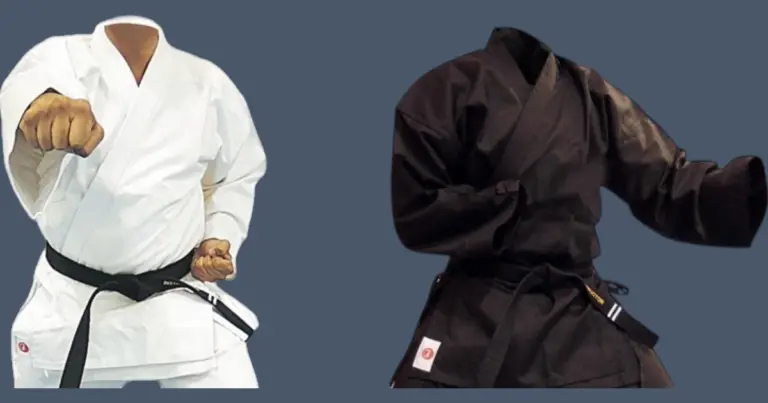
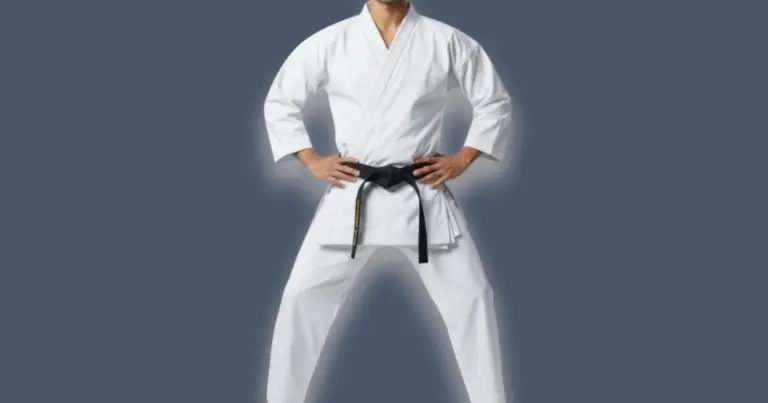
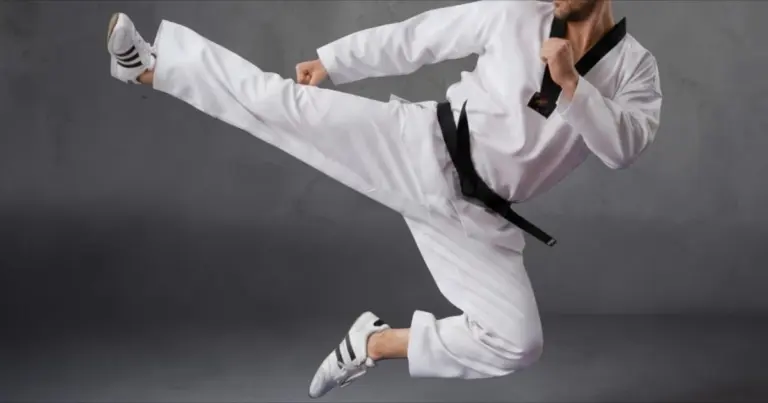
Rash guards are designed for both contexts. Under a gi — for BJJ, Judo, Karate, or Taekwondo — a rash guard sits smoothly against the skin without adding bulk under the jacket. The rubber grip on the bottom hem prevents it from riding up during training, which is particularly useful when a gi jacket is being pulled and twisted repeatedly.
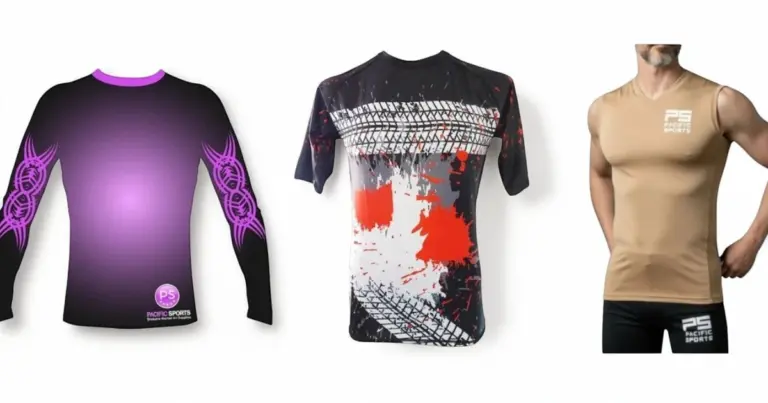
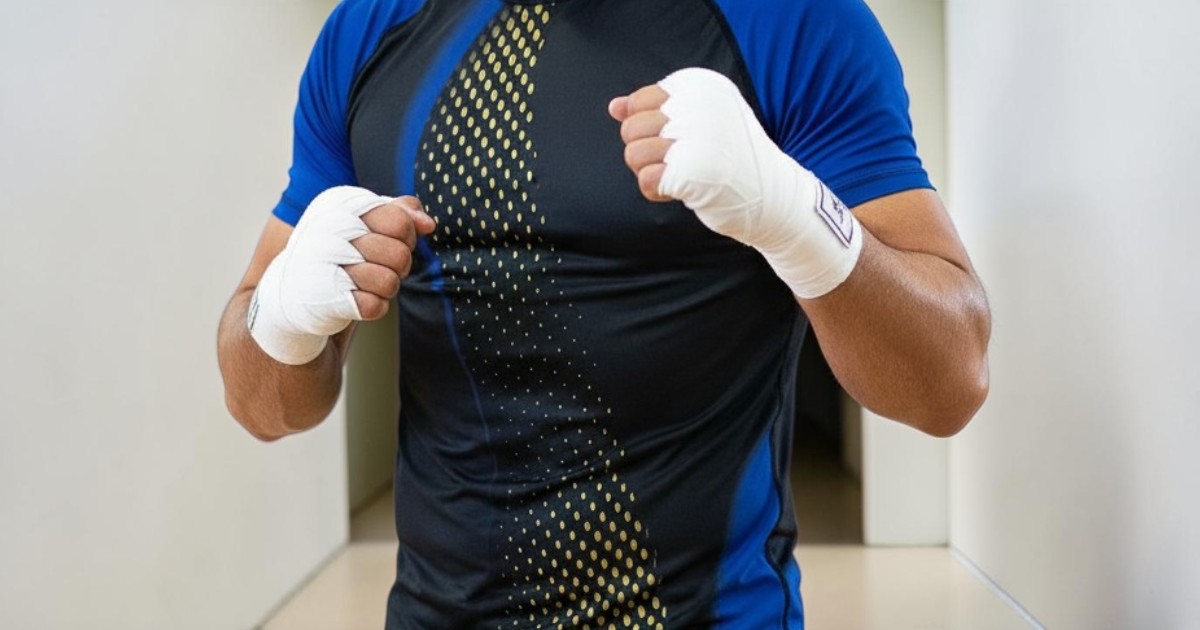
For no-gi training — MMA, wrestling, submission grappling — a rash guard is worn as the primary upper body garment. Pacific Sports rash guards are not see-through when stretched, which matters for no-gi training where modesty under a gi jacket isn’t available. The sublimated print design means the colours and patterns don’t peel, crack, or fade regardless of how frequently it’s washed.
Short sleeve or long sleeve?
This comes down to how much coverage you want and the training conditions.
Long sleeve rash guards provide maximum skin coverage — forearms and elbows are protected, which matters most in groundwork-heavy training. They also provide more warmth, making them better suited to cooler training environments or morning sessions in an unheated gym.
Short sleeve rash guards are better suited to hot conditions where additional coverage would cause overheating. They’re also less restrictive around the arms for striking-focused training.
Many practitioners own both and choose based on the session and the season.
Care and maintenance
Wash your rash guard after every session — the antimicrobial treatment handles bacteria during training, but it needs to be washed out properly before the next session to remain effective. Machine wash cold with mild detergent. No fabric softener — it coats the fibres and reduces the moisture-wicking capability over time. Air dry rather than tumble dry to preserve the spandex elasticity and the sublimated print.
Don’t leave a used rash guard bundled in your training bag. The combination of trapped moisture and body heat accelerates bacterial growth in the fabric — exactly what the antimicrobial treatment is designed to prevent during training.
Rash guards vs compression wear
These are related but not identical. Rash guards are primarily designed for skin protection in grappling — the antimicrobial treatment, reinforced flatlock stitching, and rubber hem grip all serve that purpose. Compression wear prioritises muscle support and blood flow, with skin protection as a secondary benefit. For a full comparison of when to use each, see our post on rash guards vs compression wear.
Specifications
- Fabric: 80% polyester, 20% spandex
- Styles: Short sleeve, long sleeve
- Antimicrobial: Yes — inhibits bacteria and fungi
- Stitching: Reinforced flatlock seams
- Hem: Rubber grip prevents ride-up
- Design: Sublimated — does not peel, crack, or fade
- Compression: Mild to moderate
- Suitable for: Gi and no-gi training, MMA, BJJ, Judo, Karate, Taekwondo, crossfit, running, surfing
- Sizes: S, M, L, XL — see size chart on product page
- Care: Machine wash cold, air dry, no fabric softener
Frequently Asked Questions
Do I need a rash guard if I train in a gi?
Yes, particularly for grappling arts. A gi provides fabric coverage but not skin protection — the gi itself accumulates sweat and bacteria from training, and direct contact between your skin and a training partner’s gi or sweat still occurs during throws, clinches, and groundwork. A rash guard under the gi creates the protective barrier your skin needs regardless of whether you’re wearing a gi or not.
Can women wear rash guards under a gi?
Yes, and it’s the standard for most women training in gi arts. A rash guard under the gi jacket replaces or supplements a sports bra and provides full coverage and protection. Compression shorts or spats under the gi pants complete the coverage. The fit should be smooth under the gi without adding bulk at the collar or shoulders.
How do I know what size rash guard to order?
Check the size chart on the product page — rash guard sizing is based on chest and height measurements rather than clothing size and varies between brands. A rash guard should fit snugly without being tight enough to restrict breathing or arm movement. If you’re between sizes, the general rule is to size up for comfort in longer training sessions.
How often should I wash my rash guard?
After every session without exception. A used rash guard left in a training bag retains sweat and bacteria that the antimicrobial treatment alone can’t address — it needs to be washed out. Machine wash cold, air dry. The fabric and print hold up to frequent washing when cared for correctly.
Can I wear a rash guard for sports other than martial arts?
Yes. Pacific Sports rash guards work for crossfit, running, surfing, cycling, and most physical activities. The moisture-wicking fabric and UV-resistant properties make them particularly practical for outdoor sports. The fit and construction are the same regardless of the activity.
How long should a rash guard last?
With proper care — cold washing, air drying, no fabric softener — a quality rash guard should last several years of regular training. The spandex elasticity is the first thing to degrade with improper care, particularly heat drying. The sublimated print holds its colour and definition significantly longer than printed designs would under the same conditions.