MMA gloves – Open thumb or Closed thumb?
MMA Gloves: Open Thumb or Closed Thumb?
If you’re shopping for MMA gloves for the first time, the open thumb vs closed thumb question will come up quickly. It’s not a complicated decision once you understand what each glove is actually designed for — but choosing the wrong one for your training style will frustrate you. Here’s what you need to know about MMA gloves open thumb closed thumb.
What’s the actual difference?
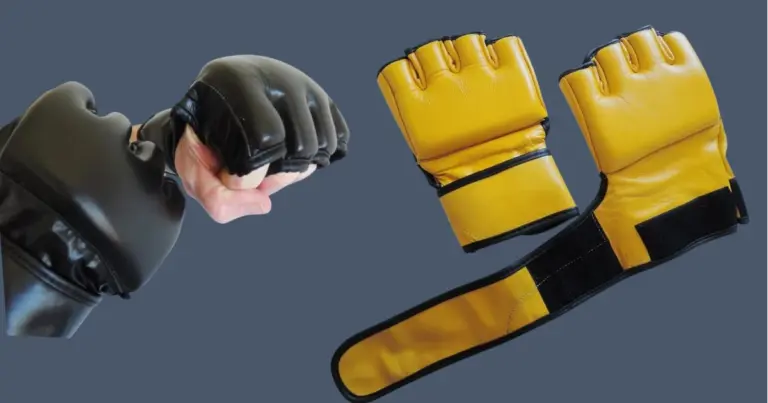
Both gloves are built the same way: dense padding over the knuckles and back of the hand, open palm for airflow and grip, half-fingers exposed, and a wide Velcro wrist strap. The only structural difference is the thumb. On an open thumb glove, the thumb is fully exposed. On a closed thumb glove, the thumb is covered with padding — similar to how a boxing glove protects it.
That one difference has real consequences for how you train.
Open thumb gloves
The exposed thumb gives you significantly better grip and dexterity. When you’re clinching, shooting for takedowns, controlling a limb for a joint lock, or working a choke, your thumb is doing a lot of work. Having it free means you can grip the way you naturally would without a glove getting in the way.
The trade-off is that an exposed thumb is vulnerable. Punch without a properly formed fist and you can sprain or hyperextend it easily. The other risk is accidental eye contact — an exposed thumb moving at speed near someone’s face is a genuine hazard, which is why controlled, deliberate movement matters more with these gloves than people often realise.
Open thumb gloves are the better choice if your training leans heavily toward grappling — BJJ, wrestling, submission work — or if you’re doing mixed rounds where you move between striking and clinch work regularly.
Closed thumb gloves
The padded thumb cover protects against the sprains, lacerations, and impact injuries that an exposed thumb is susceptible to. It also removes the eye-poking risk, which makes these gloves a safer option for sparring with less experienced partners who may not have fully controlled technique yet.
The downside is reduced dexterity for grappling. If you’re trying to control a wrist or sink a choke, the covered thumb gets in the way more than an open one does. It’s a worthwhile trade-off if striking is your primary focus, but less ideal if you spend most of your rounds on the ground.
One thing worth knowing: closed thumb doesn’t mean you can be careless about fist formation. The fingertips are still exposed on both gloves, and an incorrectly formed fist can still result in thumb injury even with the cover on. Proper technique matters regardless of which glove you choose.
Which one should you choose?
Think about how you actually train, not how you imagine you train.
If most of your rounds involve takedowns, ground work, and submission attempts — go open thumb. The improved grip is worth it and you’ll notice the difference immediately.
If you’re primarily a striker and your grappling is limited, or if you’re training with beginners and want to reduce the risk of accidental injury — go closed thumb. The added thumb protection and reduced eye-poke risk make for safer sessions.
If your gym has specific rules about glove type for sparring, check those first. Some MMA competitions also specify which type is permitted, so if you’re training for a particular event, confirm the requirements before buying.
If you train both striking and grappling seriously and want one glove that handles both reasonably well, open thumb is the more versatile option.
A note on fit
MMA gloves aren’t sized by weight like boxing gloves — they’re sized by hand width. To find your size, lay your hand flat and measure across the knuckles on the back of your hand from the edge at your index finger across all four knuckles.
- Medium: 7.5cm – 8.5cm
- Large: 9cm – 9.5cm
Pacific Sports MMA gloves are made from high-quality soft leather that softens and moulds with wear. Both the open and closed thumb versions are available in black, blue, and red.
Frequently Asked Questions
Can I use MMA gloves for bag work?
Yes, both open and closed thumb MMA gloves work for bag work and pad work. They’re not as heavily padded as boxing gloves, so they’re better suited to lighter bag sessions and technique work than extended heavy bag rounds. For serious heavy bag training, dedicated boxing gloves give your hands better protection.
Are open thumb gloves legal in MMA competitions?
It depends on the organisation and the event. Many MMA promotions specify the glove type required. If you’re competing, check the rules for your specific event before assuming either type is permitted.
Do MMA gloves protect against cuts?
The dense padding over the knuckles reduces the chance of cuts from impact, yes. But MMA gloves are lighter than boxing gloves by design — they’re built for mixed use, not maximum striking protection. If cut prevention is your primary concern, boxing gloves offer more protection during striking-focused training.
How do I clean leather MMA gloves?
Wipe the exterior down with a damp cloth after every session and leave them to air dry fully before storing. Don’t leave them in a bag where moisture builds up — that’s how leather degrades and smell develops. A light application of leather conditioner occasionally will keep the material supple as it breaks in.
Can beginners use open thumb gloves?
They can, but beginners need to be aware of the exposed thumb risk. Without solid fist formation habits already in place, the open thumb is more vulnerable to injury. Beginners who are primarily striking in their early training might be better served starting with closed thumb gloves while they develop their technique.
What’s the difference between MMA gloves and boxing gloves?
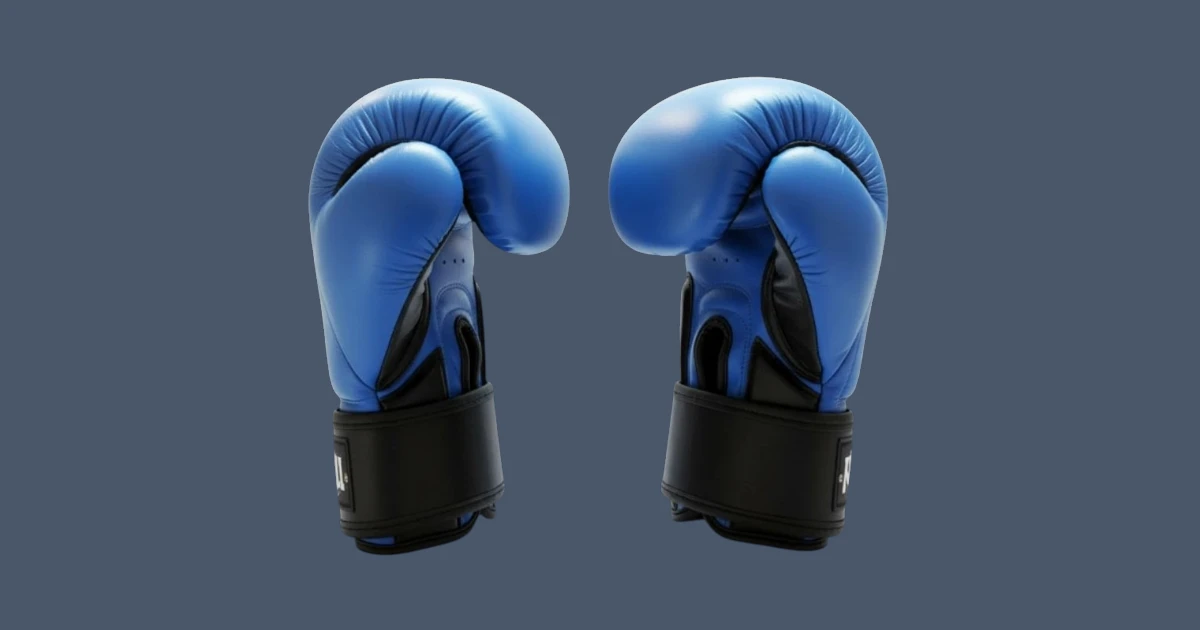
MMA gloves are lighter, have an open palm, and leave the fingers partially exposed so you can grapple. Boxing gloves are fully closed, much more heavily padded, and designed exclusively for striking. You can’t effectively grapple in boxing gloves, and MMA gloves don’t provide the same level of hand protection for sustained heavy striking. They’re built for different purposes.