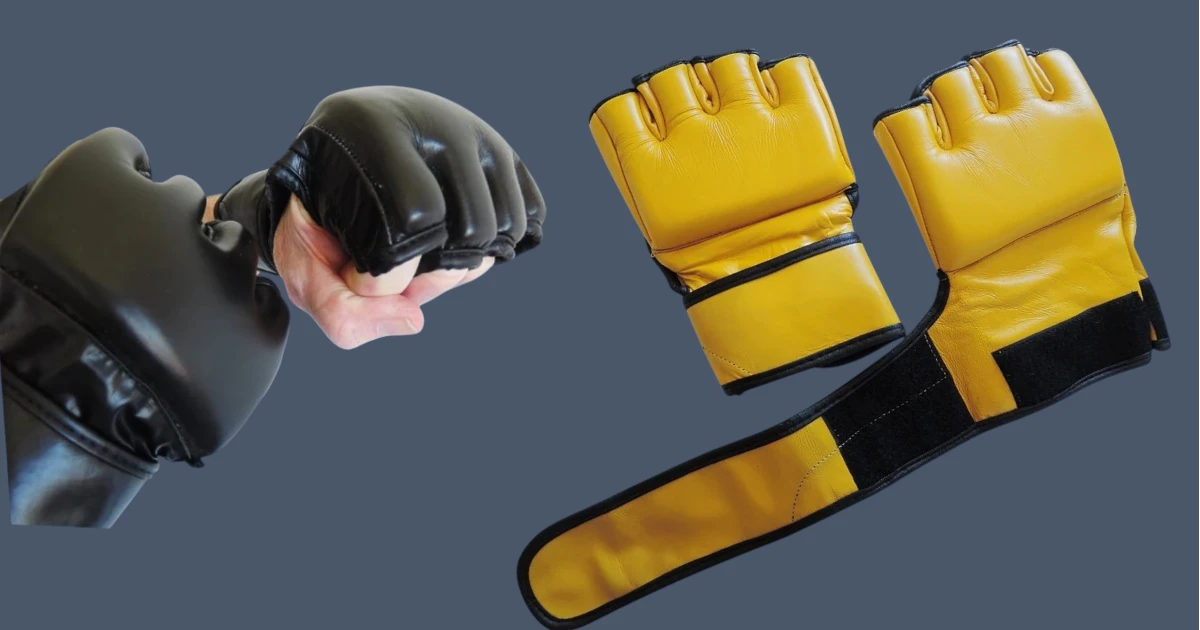
Practice routines with Pacific Sports MMA gloves
MMA Glove Training: Five Practice Routines Worth Doing Properly
MMA gloves are versatile tools, but only if you use them with a plan. Throwing punches at a bag for twenty minutes isn’t a training session — it’s exercise. A structured routine with clear goals for each drill will develop your striking, your defence, and your conditioning far more effectively. Here are five practice routines that work well with MMA gloves, and what to actually focus on during each one.
Before you start: warm up your hands
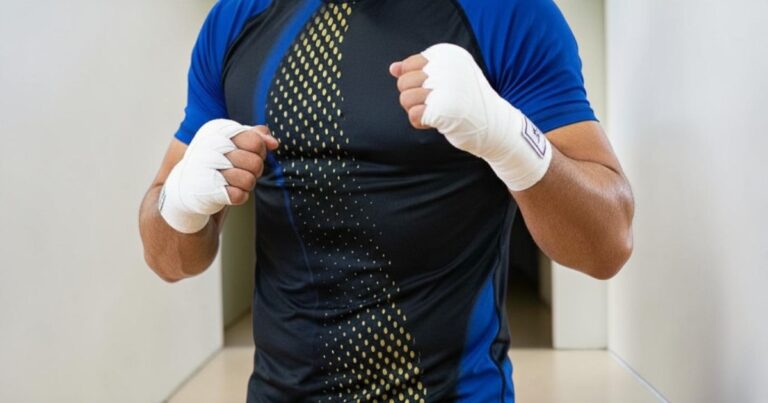
MMA gloves are lighter than boxing gloves and offer less wrist support, so your hands and wrists need to be properly warmed up before you go hard. Start with five minutes of shadow boxing at low intensity — loose, relaxed, no power. If you have gel hand wraps, put them on first for the warm-up and switch to your MMA gloves once your hands are warm and your joints are moving freely. This is particularly important if you’re training early in the morning or in a cold gym.
1. Shadow boxing
Shadow boxing is underrated by almost everyone who does it, because most people treat it as a throwaway warm-up. Done properly, it’s one of the most valuable things you can do in a training session.
Work without a target for ten to fifteen minutes. Focus entirely on your movement — footwork, angles, level changes — and your technique. With no bag or partner to react to, you have no excuse for sloppy form. Watch your guard position between strikes. Make sure your hips are driving your punches rather than just your arms. Check that your chin is down and your shoulders are up.
MMA gloves are actually better for shadow boxing than boxing gloves because the lighter weight lets you feel bad mechanics more clearly. If your jab is lazy, you’ll notice it.
2. Heavy bag drills
The heavy bag builds power and conditioning, but only if you approach it with structure. Don’t just swing at it. Pick a specific combination and repeat it — jab, cross, hook, for example — focusing on landing with the knuckles, not the fingers, and resetting your guard fully between each combination.
MMA gloves on a heavy bag means you need to be disciplined about fist formation. The lighter padding compared to boxing gloves means poorly formed punches will let you know about it quickly. Form a proper fist before every strike and make sure your thumb is tucked — especially if you’re using open thumb gloves where the thumb is fully exposed.
A simple structure: three rounds of three minutes, with one minute rest. Round one — combinations at 60% power focusing on technique. Round two — same combinations at 80% power. Round three — full power, full commitment, maintain technique under fatigue.
3. Focus mitt and pad work
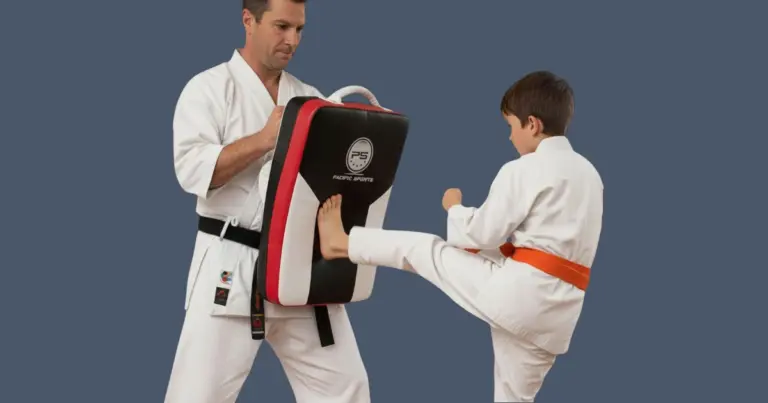
This is where MMA gloves really earn their place. With a partner holding focus mitts or pads, you can work on striking accuracy, reaction time, and combination flow in a way that bag work can’t replicate — because the target moves.
Have your partner call combinations verbally rather than just presenting targets. This forces your brain to process the command, select the strike, and execute — which is much closer to the decision-making required in actual sparring. Start with simple two and three-strike combinations, then build complexity as you warm up.
The holder can also introduce defensive elements: after you complete a combination, they can throw a light return strike that you have to slip, parry, or step away from before counter-attacking. This single addition transforms pad work from a striking drill into something that resembles real sparring.
4. Ground and pound
Ground and pound is specific to MMA and it’s where open thumb gloves show their value. Working from a mounted position on a grappling dummy, practice transitioning between strikes — hammerfists, short hooks, and straight punches — while maintaining your base and weight distribution.
The key thing most people miss with ground and pound practice is posture. It’s easy to lean too far forward chasing strikes and lose your base, which in a real situation would give your opponent the opportunity to reverse position or attempt a submission. Practice striking from a stable, balanced mount where you could defend a scramble, not just from whatever angle lets you punch hardest.
If you don’t have a grappling dummy, a partner with a focus pad held at ground level can simulate this reasonably well for positional striking practice.
5. Sparring
Everything else in this list is preparation for sparring. This is where you find out what actually works under pressure and what falls apart the moment someone hits back.
The most important thing about sparring with MMA gloves: it is not a fight. The goal is learning, not winning. Keep the intensity at a level where both you and your partner can train again tomorrow. Technical sparring at 50–60% intensity teaches you far more than hard sparring that leaves people hurt and reluctant to train.
Be particularly mindful of the open fingers with MMA gloves. Accidental eye contact is a real risk — keep your fingers from extending toward your partner’s face during clinch work and in close range exchanges. Good training partners communicate when something lands dangerously, and adjust accordingly.
A note on open vs closed thumb for these drills
For shadow boxing, bag work, and mitt work — either glove type works equally well. For ground and pound and clinch-heavy sparring — open thumb gives you better grip and control. If you’re doing a session that mixes all five routines, open thumb is the more versatile choice. See our post on open thumb vs closed thumb MMA gloves for a full breakdown of when each is appropriate.
Glove sizing reminder
Measure across your knuckles on the back of your hand, from the edge at your index finger across all four knuckles:
- Medium: 7.5cm – 8.5cm
- Large: 9cm – 9.5cm
Frequently Asked Questions
Can I use MMA gloves for all five of these drills?
Yes. MMA gloves handle shadow boxing, bag work, mitt work, ground and pound, and light sparring well. The one limitation is sustained heavy bag work — for long sessions focused purely on power striking, boxing gloves provide more hand protection. For mixed sessions that include grappling elements, MMA gloves are the right choice.
Should I use gel hand wraps under MMA gloves?
For the warm-up and lighter drilling, gel hand wraps alone are fine. For bag work and sparring, wearing them under your MMA gloves adds knuckle protection and wrist support. The 1m wrap length gives enough coverage to secure the wrist properly before putting the glove on.
How long should each training session be?
A well-structured session using all five routines would run around 60–75 minutes including warm-up and cool-down. If you’re newer to MMA training, three rounds of each drill with adequate rest is enough. As conditioning improves, extend the rounds or reduce rest periods rather than just training longer.
How often should I clean my MMA gloves?
Wipe them down with a damp cloth after every session and air dry them fully before storing. Never leave them sealed in a bag — trapped moisture is what causes leather to degrade and smell to develop. A light leather conditioner occasionally keeps the material supple as it breaks in.
Do I need a partner for all of these drills?
Shadow boxing and heavy bag work you can do solo. Focus mitt work and sparring require a partner. Ground and pound can be done solo with a grappling dummy. If you train mostly at home, shadow boxing and bag work give you the most value without needing someone else present.
Is sparring safe with MMA gloves?
At controlled intensity with experienced partners, yes. MMA gloves are lighter than boxing gloves so they offer less impact cushioning for your partner — this is why keeping intensity controlled during sparring matters more with MMA gloves than with heavier boxing gloves. Always communicate with your partner about intensity before starting.
MMA Glove Training Routines for Enhanced Performance
Implementing effective MMA glove training routines can significantly improve your fighting skills. The focus keyword is essential for optimizing your training approach.
Incorporating MMA glove training routines into your practice can enhance your overall performance and technique. These routines are designed to maximize your efficiency and skill development.
Implementing effective MMA glove training routines can significantly improve your fighting skills.
Incorporating MMA glove training routines into your practice can enhance your overall performance and technique.