What to wear under a gi (martial arts uniform) ?
What to Wear Under a Gi
It’s one of those questions new students are often too embarrassed to ask. You’ve bought your first gi, you’re heading to your first class, and you’re not sure what’s supposed to go underneath it. The answer is straightforward — but it does vary depending on whether you’re male or female, which discipline you train, and the conditions you’re training in.
For men
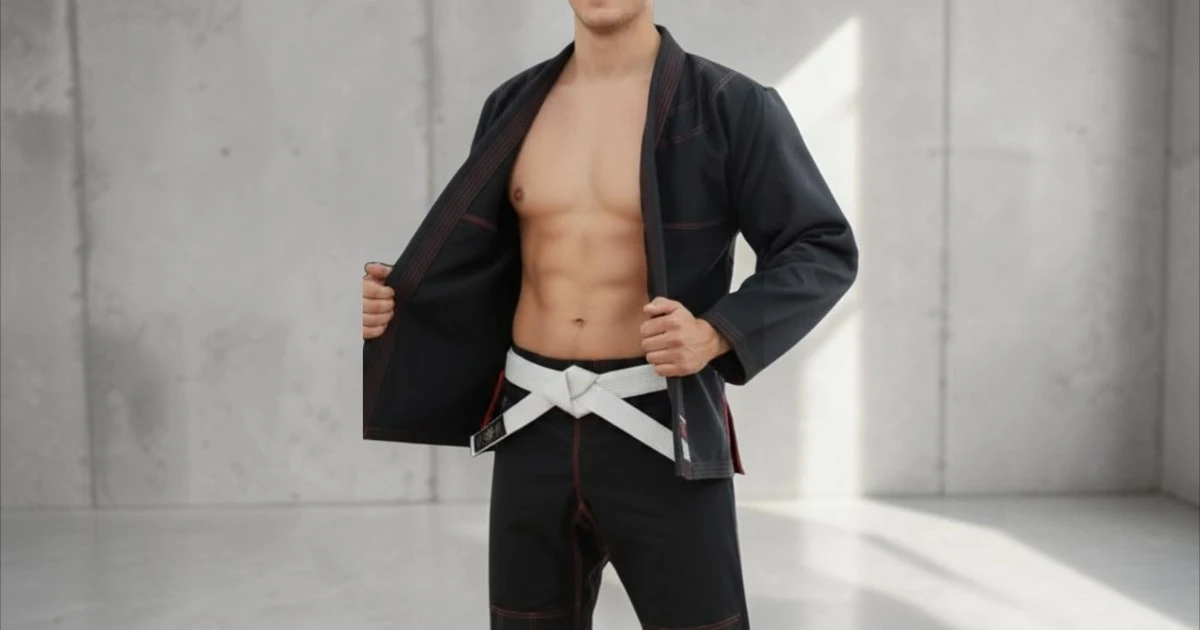
In most traditional gi-based arts — Karate, Taekwondo, Judo, BJJ — men typically wear nothing under the gi jacket. The jacket sits directly against the skin. This is traditional, it’s comfortable, and it keeps bulk to a minimum under the collar and across the shoulders where a tight gi jacket already fits closely.
Under the gi pants, standard briefs or boxer briefs are fine. The gi pants are cut with enough room that underwear choice is mostly personal preference.
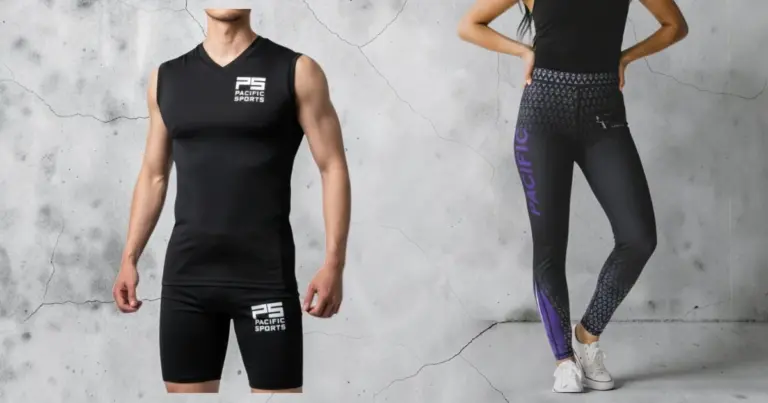
The exception is winter training or cold gym conditions. In those situations, a compression top under the gi jacket adds warmth without significant bulk, and compression shorts under the gi pants keep the legs and hips warm during the early part of a session before your body temperature rises. Skin-tone compression wear is less visible under a white gi if that matters to you.
For BJJ and grappling-focused training specifically, many men also wear a rash guard under the gi jacket year-round — not for warmth, but for hygiene and skin protection. Extended groundwork means your forearms, chest, and neck are in constant contact with training partners and mat surfaces. A rash guard creates a barrier that reduces mat burns, abrasions, and the transfer of bacteria from sweat and equipment. If your training involves a lot of groundwork, it’s worth considering regardless of the season.
For women
For women, what to wear under a gi requires a bit more thought — both for comfort and practicality.
Under the gi jacket, a sports bra is the foundation. Over that, most women wear either a rash guard or a compression top. Both provide coverage and sit smoothly under the jacket without adding bulk at the collar. A rash guard is the better choice for grappling arts because of the skin protection and antimicrobial properties — compression tops are well-suited to striking arts like Karate and Taekwondo where mat contact is less frequent.
The colour of what you wear under a white gi jacket matters more than people expect. A brightly coloured sports bra or compression top is visible through a lightweight white gi, particularly when the fabric is stretched during training. Skin-tone or white undergarments are less noticeable under a white gi. Black works well under a black gi.
Under the gi pants, regular briefs plus compression shorts or spats. The compression shorts serve double duty — they keep everything in place during dynamic movement and provide skin coverage for the legs and hips during groundwork. Spats, which are full-length compression tights, give more complete coverage if you spend significant time on the mat.
For women training in Taekwondo or Karate where kicking is the focus, compression shorts under the gi pants are particularly useful — they prevent the gi pants from riding up during high kicks and keep you comfortable throughout a session.
Discipline-specific notes
BJJ and Judo
Grappling arts have the highest skin contact of any gi-based discipline. Rash guards and compression shorts are strongly recommended for both men and women. Long sleeve rash guards provide more complete arm coverage for extended groundwork sessions. Many BJJ practitioners wear both a rash guard on top and compression shorts underneath as standard practice regardless of temperature.
Karate and Taekwondo
Less mat contact means skin protection is a lower priority than in grappling arts. Compression wear is the more common choice — it supports the muscles used in kicking and striking, wicks sweat effectively during intense training, and sits smoothly under the gi without interference. In summer, many practitioners wear nothing additional under the gi for striking arts and add compression wear only in cooler months.
No-gi training
Without a gi jacket, a rash guard becomes the primary upper body garment rather than an undergarment. Compression shorts or spats replace the gi pants. The same principles apply — rash guard for skin protection and coverage, compression shorts for muscle support and mobility.
What to avoid
Cotton t-shirts under a gi are a common beginner mistake. Cotton absorbs sweat and holds it against your skin — it gets heavy, stays wet, and takes a long time to dry. It also bunches up under the gi collar and sleeves in a way that becomes genuinely uncomfortable during training. Stick to polyester-spandex blend garments designed for athletic use.
Avoid anything with hard seams, clasps, or hardware under a gi. Zip-up tops, bra clasps positioned on the back, or anything with a raised seam in the wrong place will dig in during groundwork and make training uncomfortable. Flatlock seam construction in rash guards and compression wear exists specifically to prevent this.
A practical summary
- Men, striking arts (Karate/Taekwondo): Nothing under the jacket, briefs under the pants. Add compression top and shorts in winter.
- Men, grappling arts (BJJ/Judo): Rash guard under the jacket, compression shorts under the pants. Year-round for training. For competition, IBJJF and Judo rules don’t allow men to wear anything under the gi jacket, so check your event’s uniform rules.
- Women, striking arts: Sports bra plus compression top under the jacket, briefs plus compression shorts under the pants.
- Women, grappling arts: Sports bra plus rash guard under the jacket, briefs plus compression shorts or spats under the pants.
- All disciplines, winter: Add compression wear for warmth. Skin-tone under white gi, black under black gi.
Frequently Asked Questions
Does what I wear under my gi affect my grading or competition?
Potentially yes. Some organisations and competitions have rules about what’s visible under the gi — particularly for colour. White or skin-tone undergarments under a white gi are generally accepted without question. Brightly coloured rash guards or compression wear visible at the collar or cuffs may not be permitted at formal events. Check with your instructor or the competition rules before grading or competing if you’re unsure.
Is a rash guard necessary if I train in a gi?
It depends on your discipline and how much groundwork you do. For BJJ and Judo training, a rash guard is strongly recommended year-round. It reduces mat burn and limits skin-to-skin contact during long periods of grappling. For Karate and Taekwondo it’s optional, and compression wear is often more practical. Competition is different: under IBJJF rules, men can’t wear a rash guard or any shirt under the gi jacket, while women must wear a fitted elastic top. Judo competition has similar rules. If you’re competing, check your event’s uniform rules first.
Can I wear a long sleeve rash guard under a gi jacket?
Yes, and many practitioners do — particularly in cooler conditions or for maximum skin coverage in grappling. The sleeve of the rash guard will be visible at the cuff of the gi jacket. Check whether your organisation permits this for grading or competition — some traditional schools require nothing visible under the gi sleeves.
What’s the difference between wearing a rash guard and compression wear under a gi?
Rash guards prioritise skin protection — antimicrobial treatment, reinforced stitching, and a rubber hem grip that prevents ride-up during grappling. Compression wear prioritises muscle support and blood flow, with skin protection as a secondary benefit. For grappling arts, rash guards are the better under-gi choice. For striking arts, compression wear is generally more appropriate. See our full comparison post for more detail.
Should compression shorts be worn over or under briefs?
Either works, and it comes down to personal preference. Many compression shorts are designed as a base layer and can be worn on their own, with no briefs underneath. Some have built-in support or a liner for exactly this purpose. Others prefer briefs underneath for extra support or hygiene. If you wear compression shorts without briefs, treat them like underwear and wash them after every session. Under a gi, either option is comfortable as long as the fit is snug and the seams are flat.
Do gi pants need anything underneath in summer?
For most practitioners in summer, standard briefs under gi pants are sufficient for striking arts. For grappling arts, compression shorts are still worthwhile in summer for skin protection during mat work — temperature is less of a factor than coverage in that context. Lightweight compression shorts in a breathable fabric add minimal heat while still providing the protection and coverage that groundwork requires.