What is the Difference Between a Lightweight and a Heavyweight Gi?
Lightweight vs Heavyweight Gi: An Australian Buying Guide
Walk into any martial arts supply store — or browse online — and you’ll quickly notice that gi weights range from 8oz all the way up to 18oz. That’s a significant difference, and it affects how a gi feels, performs, and holds up over time. Understanding what those weight numbers actually mean, and which weight suits your training, will save you from buying the wrong gi twice.
What does gi weight actually mean?
The weight of a gi fabric is measured in ounces per square yard — so an 8oz gi has fabric that weighs 8 ounces per square yard, and a 16oz gi has fabric twice as heavy. This weight comes directly from how the fabric is woven. Different weave patterns produce fabrics of different densities, which is why two gis made from the same cotton can weigh very different amounts.
The common weave types and their corresponding weights are:
- Single weave and ripstop weave — 8oz to 10oz. The lightest option, breathable and fast-drying.
- Pearl weave and pearl plus weave — 12oz to 14oz. Slightly heavier than single weave, sometimes classified as medium-weight.
- Gold weave and honeycomb weave — around 14oz. Medium-weight fabrics with more density than pearl weave.
- Double weave — 16oz to 18oz. The heaviest option, built for durability and heavy contact training.
Pacific Sports gi are available in poly-cotton, cotton, and canvas fabrics across weights from 8oz to 18oz. The fabric type also matters — cotton canvas at 12oz feels different to poly-cotton at 12oz, with canvas being stiffer and more durable and poly-cotton being softer and lighter in hand.
Lightweight gi (8oz–10oz)
Lightweight gi are the right starting point for most beginners and the practical choice for anyone training in a hot climate. Australia’s climate makes this particularly relevant — training in a 16oz canvas gi through a Queensland summer is genuinely uncomfortable, while an 8oz poly-cotton breathes well and dries quickly after washing.
The lighter fabric allows a full range of motion without the stiffness of heavier canvas. For beginners still developing their movement patterns, this freedom matters. A gi that restricts your movement when you’re trying to learn a technique is an obstacle.
The fast-drying characteristic of lightweight gi is also practical for frequent trainers. If you train five days a week and only have two gi, quick drying between sessions keeps everything clean and ready.
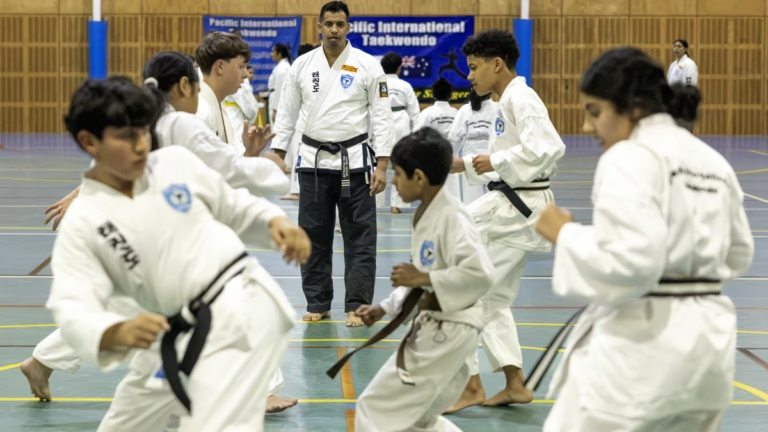
The limitation of lightweight gi is durability under heavy contact. In grappling arts where the gi is grabbed, pulled, and twisted repeatedly, lighter fabric wears faster at stress points — collar, sleeve edges, collar ties. For striking arts like Taekwondo and Karate where the gi sees less grabbing stress, lightweight fabric is perfectly durable.
Medium-weight gi (12oz–14oz)
Medium-weight gi sit in the practical middle ground that suits most intermediate practitioners across disciplines. Heavy enough to feel substantial and hold up to regular training, light enough to remain comfortable through a full session.
For Karate practitioners moving beyond beginner level, 12oz canvas is a natural progression. It has enough body to produce the satisfying snap on punches and kicks that lighter fabric doesn’t, while remaining manageable in warm conditions with adequate ventilation.
For BJJ and Judo practitioners, pearl weave in the 12–14oz range is the most popular choice for a competition gi — heavy enough to resist the stress of grappling, light enough to stay comfortable through a long tournament day. Competition rules generally cover a gi’s material, colour and fit rather than its fabric weight, so check your organisation’s rulebook before you buy.
Heavyweight gi (16oz–18oz)
Heavyweight gi are built for durability and demanding training. Double weave canvas at 16oz–18oz can withstand years of intensive contact training without the collar or sleeves showing significant wear. For advanced practitioners who train hard and often, the investment in a heavy gi pays back in longevity.
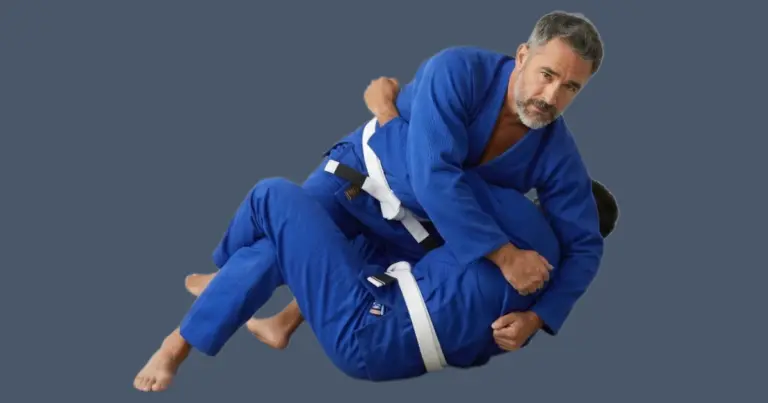
In grappling arts specifically, a heavier gi provides a different training experience. The fabric is harder to grip and hold — which makes technique more demanding and develops stronger gripping strength over time. Some coaches use this deliberately, training in heavy gi to make competition in lighter gi feel easier.
The trade-off is weight and warmth. A 16oz canvas gi in summer training is hot. Advanced practitioners who favour heavyweight gi often train in lightweight gi through summer and switch to heavier weights in winter — treating gi weight as a seasonal variable rather than a fixed choice.
One practical note: heavyweight gi take longer to dry. If you wash your gi after every session — which you should — factor drying time into how many gi you need to own. A 16oz canvas gi can take overnight or longer to dry fully in humid conditions.
Which weight is right for you?
There’s no hard and fast rule, but these guidelines hold for most practitioners:
Beginner: Start with 8oz poly-cotton. It’s comfortable, affordable, easy to wash and dry, and appropriate for learning movement without restriction. As your training intensifies and your gi takes more punishment, you’ll have a better sense of what you need.
Intermediate: Move to 12oz cotton or canvas. You’ll notice the difference in how the gi feels during training — more substantial, more durable, better suited to the demands of more advanced technique work.
Advanced: Consider 14oz to 18oz canvas for regular heavy training, particularly in grappling arts. Keep a lighter gi for summer or for sessions where heat management matters more than durability.
Your discipline matters too. Striking arts — Taekwondo, Karate — can use lighter gi at higher training levels because the gi isn’t subject to the same grabbing stress as grappling arts. BJJ and Judo practitioners typically need heavier, more reinforced fabric earlier in their training progression.
A note on shrinkage
Cotton gi fabric shrinks. Some gi are pre-shrunk during manufacturing — these undergo minimal further shrinkage and you can buy your regular size. Non-pre-shrunk gi are made with a shrinkage allowance built into the cut — when you try one on before washing it should feel about one size too large. After washing in cold water, it will shrink to a proper fit. Either way, buy your regular size — the end result is designed to be correct after any initial shrinkage.
Specifications
- Weights available: 8oz, 10oz, 12oz, 14oz, 16oz, 18oz
- Fabrics: Poly-cotton, cotton, canvas
- Colours: White, black, blue (availability varies by weight — see product pages)
- Disciplines: Karate, Taekwondo, BJJ, Jiu-Jitsu, Judo
- Shrinkage: Pre-shrunk and non-pre-shrunk options available — buy regular size for both
- Belt: Sold separately
Frequently Asked Questions
Can I start with a heavyweight gi as a beginner?
You can, but it’s not ideal. A heavyweight gi is stiffer and more restrictive than a lightweight one, which makes learning movement patterns harder when you’re just starting out. It’s also heavier to train in through long sessions. Start with 8oz poly-cotton, develop your training habits, and move to heavier weights as your training demands it.
Does gi weight affect competition eligibility?
Most organisations don’t set a fabric weight for competition gi — their rules usually cover material, colour and fit instead. IBJJF BJJ competitions, for example, have detailed gi requirements. Check your organisation’s rulebook before buying a gi specifically for competition use. For training, gi weight is entirely your choice.
Is a heavier gi better for grappling?
More durable, yes. Whether it’s better depends on what you’re training for. A heavy double weave gi withstands the stress of grappling better and lasts longer. However, most BJJ and Judo competitions use medium-weight gi, so training exclusively in very heavy gi means you’ll be less accustomed to how your competition gi feels. Training in both is the practical solution.
How should I wash different weight gi?
The same way regardless of weight — cold water, mild detergent, no bleach, no fabric softener, air dry. The main practical difference is drying time. An 8oz poly-cotton gi might be dry in a few hours; a 16oz canvas gi can take overnight or longer. Account for this when planning how many gi you need to own for your training frequency.
Will a lightweight gi tear during heavy training?
It depends on the training. For striking arts, a quality 8oz–10oz gi handles heavy training well — the stress on the fabric comes from movement rather than grabbing. For grappling arts where the gi is gripped and pulled repeatedly, lightweight fabric wears faster at the collar, sleeve edges, and collar ties. Moving to medium or heavyweight fabric as your grappling training intensifies is the practical response.
What does “ripstop” mean on a gi?
Ripstop is a weaving technique that incorporates a reinforcing thread pattern — typically in a grid — into the fabric. This makes the material resistant to tearing and ripping even when it’s lightweight. Ripstop gi pants in particular are popular in BJJ because the pants take significant stress during guard work and takedowns, and the ripstop weave extends their life compared to standard lightweight fabric.