Martial Arts Uniforms for Sensitive Skin and Eczema
If you or your child has sensitive skin or eczema, choosing the right martial arts uniform matters more than most people realise. The wrong fabric worn through an intense training session — sweating, moving, and in constant contact with skin — can trigger a flare that sets back training for days. The right fabric makes training comfortable and doesn’t add skin management to the list of things you have to think about during your training.
Why fabric choice matters for sensitive skin
Eczema and sensitive skin react to two main triggers in clothing: the fibre itself, and what gets trapped in the fabric during wear. Synthetic fibres like polyester don’t breathe well — they trap heat and moisture against the skin, creating the warm, humid microclimate that’s a well-known eczema trigger. Sweat that can’t evaporate sits against the skin, and the combination of moisture, friction, and trapped heat provokes exactly the kind of irritation that sets off a flare.
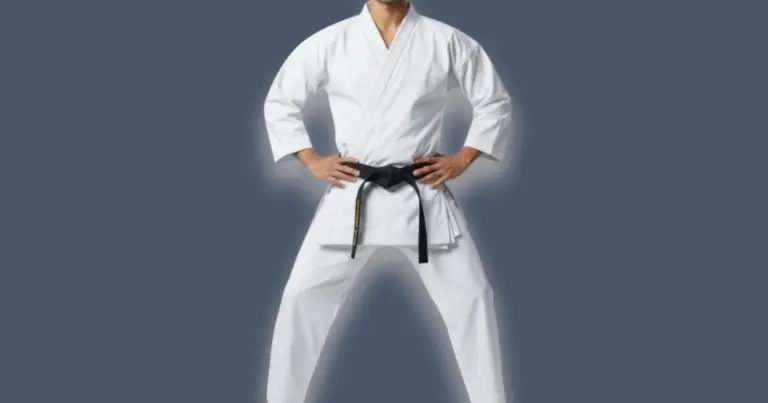
Cotton doesn’t do this. It’s a natural fibre with an open structure that allows air to circulate and moisture to evaporate rather than accumulating against the skin. Dermatologists consistently recommend 100% cotton clothing for people with eczema — it’s the same reason cotton is used in medical dressings and bandages. There are no synthetic coatings, no chemical treatments, and no plastic-derived fibres that can irritate sensitive skin. Choosing a cotton karate uniform or a cotton Taekwondo uniform is a step towards better management of eczema sensitive skin.
Poly-cotton vs 100% cotton for sensitive skin
The standard beginner’s martial arts uniform is poly-cotton — typically a 55/45 blend of polyester and cotton. This fabric is inexpensive, easy to care for, and doesn’t shrink significantly. For most practitioners it’s perfectly adequate.
For sensitive skin, it’s often not. The polyester component reduces breathability and moisture management compared to pure cotton. During a hard training session, poly-cotton can become clammy and clingy against the skin — the synthetic fibres hold moisture against the body rather than wicking it away. For practitioners without skin sensitivities this is mildly uncomfortable; for someone with eczema it can be genuinely problematic.
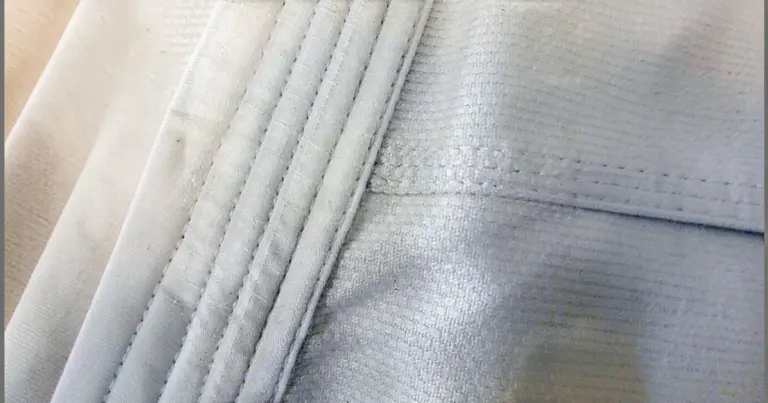
100% cotton gi — whether lightweight cotton or heavier canvas — breathes significantly better. Sweat is absorbed by the cotton fibres and evaporates rather than pooling against the skin. The fabric feels softer, becomes softer with each wash, and doesn’t generate the same heat and moisture accumulation that triggers eczema flares.
Canvas cotton: better than you’d expect for sensitive skin
Canvas gi are denser and heavier than standard cotton gi, which sounds counterintuitive for someone concerned about skin comfort. But canvas has a characteristic that makes it surprisingly good for sensitive skin in warm conditions: the stiffer fabric stands slightly away from the skin rather than lying flat against it, creating a small air gap that allows sweat to evaporate more effectively.
A 12oz canvas gi worn in a warm training session often feels cooler and more comfortable against sensitive skin than a lightweight poly-cotton gi, precisely because the canvas doesn’t cling. The air gap between fabric and skin means less sustained contact, less moisture accumulation, and less friction — all of which reduce the risk of irritation for sensitive skin practitioners.
Washing considerations for eczema-prone skin
The fabric is only part of the picture. How you wash a gi affects what’s left in the fabric against your skin during the next training session.
Use a fragrance-free, dye-free detergent. Standard laundry detergents contain fragrances and optical brighteners — both common eczema triggers. Many supermarkets and pharmacies stock detergents specifically formulated for sensitive skin. These are worth using for all training clothing, not just the gi.
Never use fabric softener. This applies to all gi regardless of skin sensitivity — fabric softener coats the fabric fibres and reduces breathability, trapping bacteria and sweat residue rather than allowing it to wash out. For sensitive skin specifically, the chemical coating that fabric softener leaves in the fabric is an additional irritant worth avoiding entirely.
Do an extra rinse cycle. Detergent residue left in the fabric after washing is a common but often overlooked eczema trigger. Running an additional rinse cycle after washing removes more of the detergent from the fabric, leaving less residue against the skin during training.
Wash in cold water. Hot water doesn’t just shrink cotton gi — it can also set certain allergens and irritants deeper into the fabric rather than washing them out. Cold water washing with an adequate amount of mild detergent is more effective for sensitive skin than hot washing.
Air dry in sunlight where possible. Natural UV light has mild antimicrobial properties and helps keep white fabric bright without chemical bleaching agents. Tumble drying at high heat can degrade cotton fibres and introduce static that makes fabric cling more to the skin — both counterproductive for sensitive skin practitioners.
Wash before first wear. A new gi — particularly one that isn’t pre-shrunk — may have manufacturing residues in the fabric. Washing before the first training session removes these and allows any initial shrinkage to happen before the gi is on your body.
What to wear underneath
For practitioners with eczema or sensitive skin who train in gi arts, what you wear underneath the gi matters as much as the gi itself.
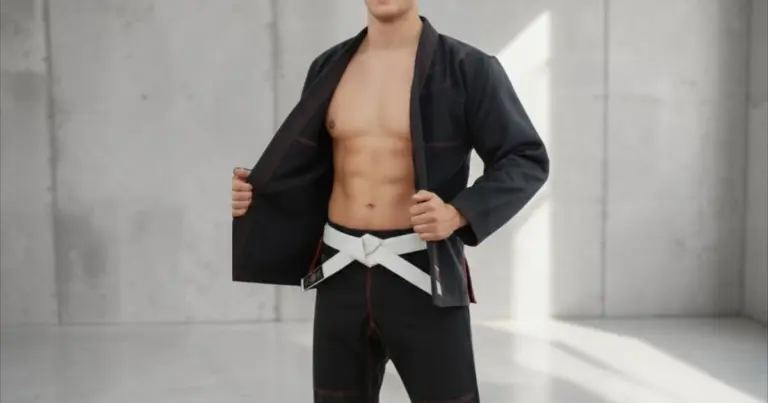
A 100% cotton compression top or rash guard under the gi jacket creates an additional barrier between the gi fabric and your skin. This is particularly useful if canvas fabric — even good quality canvas — still causes some irritation through direct contact during throws or clinch work. The smoother, closer-fitting cotton layer reduces friction against the skin even when the gi is being grabbed and pulled.
For women training in gi arts, a cotton sports bra and cotton compression shorts under the gi provides full coverage and significantly reduces the amount of gi fabric in direct contact with skin during groundwork and sparring.
If cotton-only undergarments are important for your skin management, check the fabric composition of rash guards and compression wear before buying — most are polyester-spandex blends rather than cotton. For severe eczema, wearing a 100% cotton base layer under the gi rather than synthetic compression wear may be preferable, though this is worth discussing with a dermatologist or allergist who knows your specific situation.
Practical tips for training with eczema
Beyond the uniform itself, a few habits make training more manageable for eczema-prone skin:
Apply any prescribed emollient or moisturiser before training — allow it to absorb fully before putting on the gi to avoid the fabric picking up the product. Check with your dermatologist about whether training-specific timing for any topical treatments makes sense for your regimen.
Shower as soon as possible after training. Sweat left on the skin after training is a significant eczema trigger — the salt content and the bacteria from mat contact are both irritants. A lukewarm shower immediately after training, followed by emollient application while the skin is still slightly damp, is standard dermatological advice for eczema management in athletes.
Keep your gi rotation clean. Training in a gi that hasn’t been washed since the last session means putting sweat, bacteria, and mat residue directly back against your skin. For any practitioner this is poor hygiene; for someone with eczema it’s a reliable route to a flare. Wash after every session without exception.
Be aware of mat hygiene at your club. Even the best gi can’t fully protect against a mat that isn’t cleaned regularly. If your club’s mat hygiene is inconsistent, mention it to your instructor — most are receptive to feedback on this, particularly if it affects a student’s ability to train.
Frequently Asked Questions
Is canvas cotton safe for eczema-prone skin?
Generally yes, and sometimes better than lighter cotton because the stiffer fabric reduces direct skin contact through the air gap it creates. Some practitioners find that new, unwashed canvas is initially scratchy — washing the gi several times before first wear softens the fabric significantly. If canvas still causes irritation after washing in, wearing a smooth cotton base layer underneath usually resolves the issue.
My child has eczema — should they start with poly-cotton or cotton?
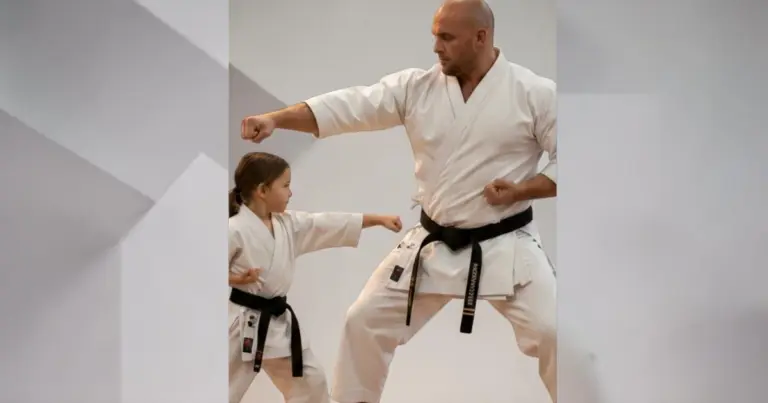
For a child with eczema, start with 100% cotton rather than poly-cotton. The breathability difference is significant for sensitive skin during active training, and the cost difference between poly-cotton and lightweight cotton gi is modest. The practical consideration of not knowing whether a child will continue training long-term applies here — an affordable 8oz cotton gi is a reasonable first investment that won’t aggravate sensitive skin.
Can I use bleach to keep my white cotton gi bright?
No — and this is particularly important for eczema-prone practitioners. Bleach degrades cotton fibres and leaves chemical residues in the fabric that are significant skin irritants. To keep a white cotton gi bright, wash regularly in cold water with fragrance-free detergent and dry in natural sunlight. This maintains whiteness without leaving irritating residues in the fabric.
Are there any gi fabrics I should specifically avoid with eczema?
Poly-cotton blends are worth avoiding if possible — the polyester component reduces breathability and moisture management. Fully synthetic gi fabrics are the most problematic for sensitive skin. Stick to 100% cotton in lightweight or canvas weights. If you’re unsure about a specific fabric, washing a small area of the fabric and wearing it against a sensitive area of skin for a few hours before committing to training in the full gi is a practical test.
Should I tell my instructor about my eczema?
Yes, particularly if it affects your ability to train or if you need to manage a flare during a session. Most instructors are understanding and can make small accommodations — like allowing you to step off the mat briefly if your skin needs attention, or being aware that certain training contexts (outdoor sessions, poorly ventilated training halls) might be more problematic for you. You don’t need to share medical details beyond what’s relevant to your training.
Does eczema mean I can’t train in martial arts?
Not at all. Many martial artists train and compete successfully with eczema. The key is managing the triggers specific to your condition — fabric choice, washing routine, post-training skincare, and mat hygiene. With the right gi, the right washing routine, and the right post-training habits, most practitioners with eczema find they can train without significant flares. If your eczema is severe or poorly controlled, work with your dermatologist to establish what training looks like for your specific situation before starting.