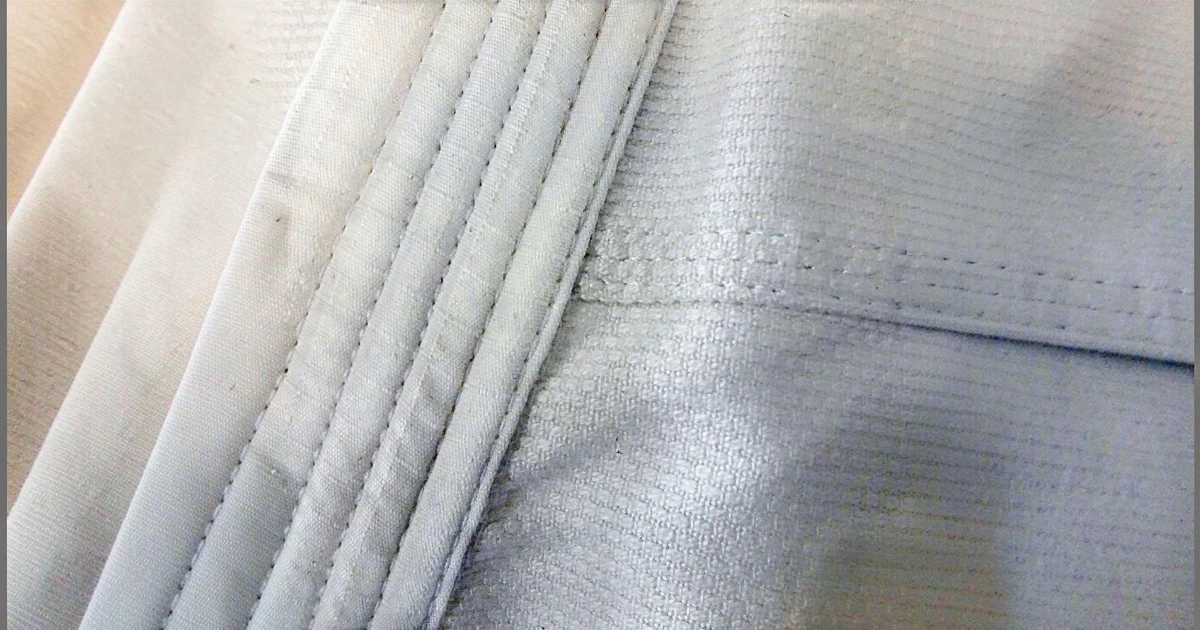
Common weaves used for Karate and BJJ gis
What Is a Gi? History, Fabric, and Weaves Explained
If you’ve just started martial arts, you’ve probably heard the word “gi” thrown around without much explanation. And if you’ve been training for a while, you may have noticed that gi fabric varies enormously — some feel light and smooth, others are thick and heavy — without ever quite understanding why. This post covers both: what a gi actually is and where it came from, and what the different fabric weaves mean for how your gi feels and performs.
What is a gi?
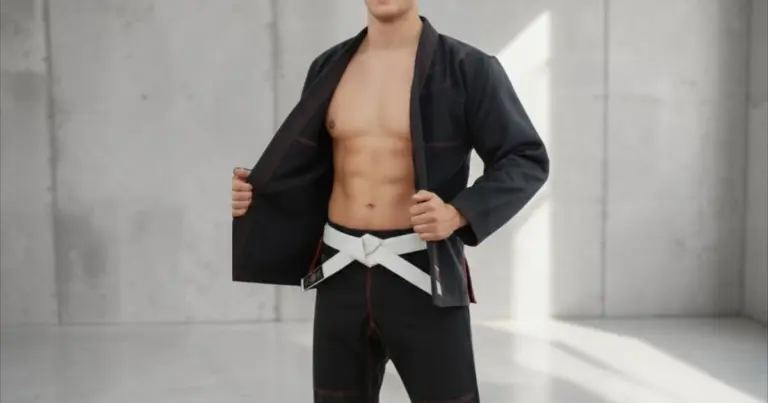
The gi is the uniform worn in Japanese martial arts and their derivative forms. Its full name is keikogi — from keiko (practice) and gi (clothes) — though outside Japan it’s almost universally shortened to just “gi”, pronounced like the word “ghee”.
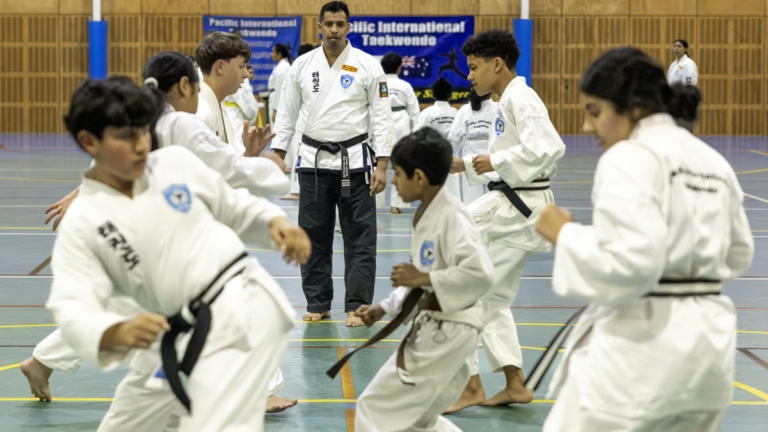
The keikogi was developed in the 19th century by Jigoro Kano, the founder of Judo. His design — a jacket, trousers, and belt — became the template for the martial arts uniform used across Karate, BJJ, Judo, Jiu-Jitsu, and Taekwondo today.
The three parts have specific Japanese names worth knowing:
- Uwagi — the jacket (roughly translated as “upper garment”)
- Shitabaki or zubon — the trousers
- Obi — the belt
In French, Polish, and Russian speaking countries, the gi jacket is often called a “kimono” — technically incorrect but widely understood in those contexts.
Different arts, different names
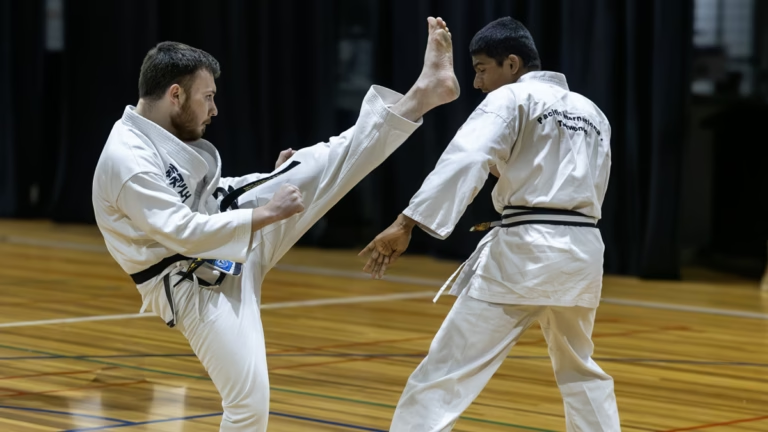
The word “keikogi” is often modified by replacing “keiko” with the name of the specific martial art. This is where names like judogi, karategi, and BJJ gi come from — they’re all variations of the same basic garment, adapted for their discipline.
Derivative forms exist beyond the Japanese martial arts:
The dobok is the Taekwondo uniform — same basic structure as a gi but with a V-neck jacket rather than lapels, reflecting Taekwondo’s striking focus rather than throwing and grappling.
The kendogi is the Kendo uniform — the jacket is similar but worn with a hakama, a wide-legged traditional Japanese garment, instead of trousers.
The sambovka or kurtka is the Sambo uniform — a jacket similar to a judogi top worn with wrestling-style shorts and shoes rather than full trousers.
Gi fabric: why it matters
Traditional gi were made from unbleached cotton — not bright white, but an off-white natural colour. Modern gi use bleached cotton in white, black, blue, and other colours, and many also incorporate polyester blended with cotton for added durability and easier care.
The weight and feel of the fabric depends almost entirely on how it’s woven. Understanding weave types helps you make sense of gi product descriptions and choose the right fabric for your training.
How weaving works — the basics
All woven fabric is made from two sets of threads crossing each other at right angles. The threads running lengthways are called the warp; the threads woven across them horizontally are called the weft. The pattern in which the weft threads pass over and under the warp threads determines the texture, weight, and appearance of the finished fabric.
Think of it like a basket — a loosely woven basket feels flexible and light, while a tightly woven one feels stiff and heavy. Gi weaves work the same way.
Common gi weaves explained
Single weave
The simplest weave — the weft thread passes alternately over one warp thread, then under the next, creating a flat, smooth fabric with one layer. Single weave gi are lightweight and breathable, which makes them well-suited to beginners and to training in warm climates. They’re the most affordable gi fabric and the easiest to care for.
Double weave
Two sets of warp and weft threads are woven together, creating a fabric with essentially two layers. More threads in the same area means a significantly heavier, denser fabric. Double weave gi are the heaviest available — 16oz to 18oz — and the most durable. They’re built for advanced practitioners who train hard and want a gi that lasts for years under heavy contact use. The trade-off is weight and warmth — a double weave gi in summer training is genuinely hot.
Pearl weave
Pearl weave uses two weft threads of different widths — a wider, loosely woven thread alternating with a narrower, tightly woven one. This combination creates a distinctive bumpy texture that looks like a string of pearls along the surface of the fabric. Pearl weave gi sit in the medium weight range (12–14oz) and are the most popular fabric for BJJ gi — heavy enough to handle grappling stress, light enough to meet competition weight requirements in most organisations.
Pearl weave plus is a variation where the wider weft thread is woven at a slight diagonal, giving the surface a flattened rope appearance. The performance characteristics are similar to standard pearl weave.
Gold weave
Gold weave alternates sections of lighter, narrower warp threads with heavier, wider ones, creating a ladder-like pattern that’s visually distinctive once you know what to look for. It’s a medium-weight fabric that balances durability with a lighter feel than double weave, and it was historically popular in BJJ before pearl weave became the industry standard.
Honeycomb weave
Similar to gold weave but without the heavier warp threads. The weft threads jump over and under multiple rows of warp threads in tight sections, creating a hexagonal pattern that resembles — as the name suggests — a honeycomb. Also a medium-weight fabric with good durability.
Ripstop weave
Ripstop is designed specifically to resist tearing. It uses a standard crosshatch weave but adds thicker reinforcement threads at regular intervals — typically every 5–8mm — creating a grid pattern visible on the fabric surface. If the fabric tears or gets snagged, the reinforcement threads stop the tear from spreading. Ripstop gi are lightweight and strong, making them particularly popular for gi pants where the crotch and knee areas are under significant stress during groundwork. You’ll often see BJJ gi listed as “pearl weave jacket, ripstop pants” — each fabric chosen for where it performs best.
Which weave should you choose?
There’s no universally correct answer — it depends on your level, your discipline, and where you train.
As a starting guide: single weave and ripstop are the lightest options and suit beginners and hot climates well. Pearl weave and gold weave are the middle ground — most intermediate practitioners and BJJ competitors land here. Double weave is for advanced practitioners who want maximum durability and don’t mind the extra weight.
For a full breakdown of which weight suits which training level and discipline, see our post on lightweight vs heavyweight gi.
Frequently Asked Questions
Why is a gi sometimes called a kimono?
This is a common informal usage, particularly in BJJ communities in French, Polish, and Russian speaking countries. Technically it’s incorrect — a kimono is a traditional Japanese robe quite different from a gi — but in a BJJ context, “kimono” is widely understood to mean the gi jacket. In English-speaking countries, “gi” is the standard term.
Does the weave affect how a gi performs in training?
Yes, in practical ways. Heavier weaves like double weave are harder to grip in grappling arts, which makes technique more demanding and develops gripping strength over time. Lighter weaves dry faster, breathe better, and feel less restrictive. The weave also affects durability — a ripstop weave resists tearing at stress points in a way that a plain single weave doesn’t.
What does “gsm” mean on BJJ gi listings?
GSM stands for grams per square metre — an alternative way of measuring fabric weight used particularly for BJJ gi. A pearl weave jacket listed at 250gsm is a medium-weight fabric. Higher GSM numbers indicate heavier fabric. Both the oz and gsm systems are measuring the same thing — the weight of the fabric — just in different units.
Is cotton or poly-cotton better for a gi?
Both have their place. Pure cotton gi are traditional, breathable, and have a natural feel that many experienced practitioners prefer. They do shrink more than poly-cotton blends. Poly-cotton gi shrink less, dry faster, and tend to be more affordable. For beginners, poly-cotton is practical. As you develop preferences through training, you’ll likely form a view on which you prefer.
Why are gi traditionally white?
The original keikogi was made from unbleached cotton — actually more off-white than bright white. The white colour became traditional as bleaching became standard practice. White also shows dirt clearly, which was historically seen as an incentive to wash the gi regularly. For more on gi colour traditions and rules by discipline, see our post on gi colour guide.
Can I use the same gi for different martial arts?
At club training level, a standard gi in European cut can be used across Karate, Judo, and BJJ — the fundamental structure is the same. For competition, different organisations have specific gi requirements. BJJ competition gi typically need to meet IBJJF specifications; Karate competition gi need to conform to WKF requirements. If you’re buying for competition, check the rules for your specific event before purchasing.